california car used warranty essentials for practical buyers
What "warranty" really covers
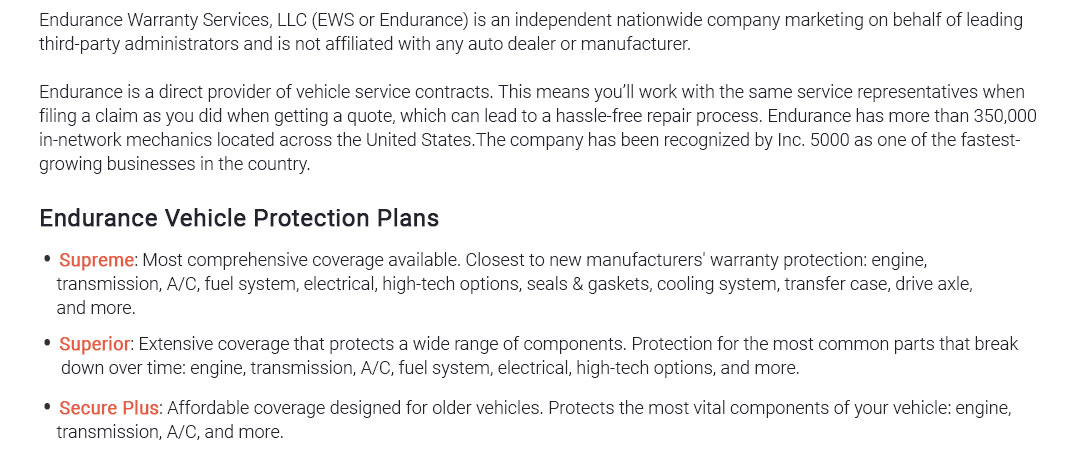
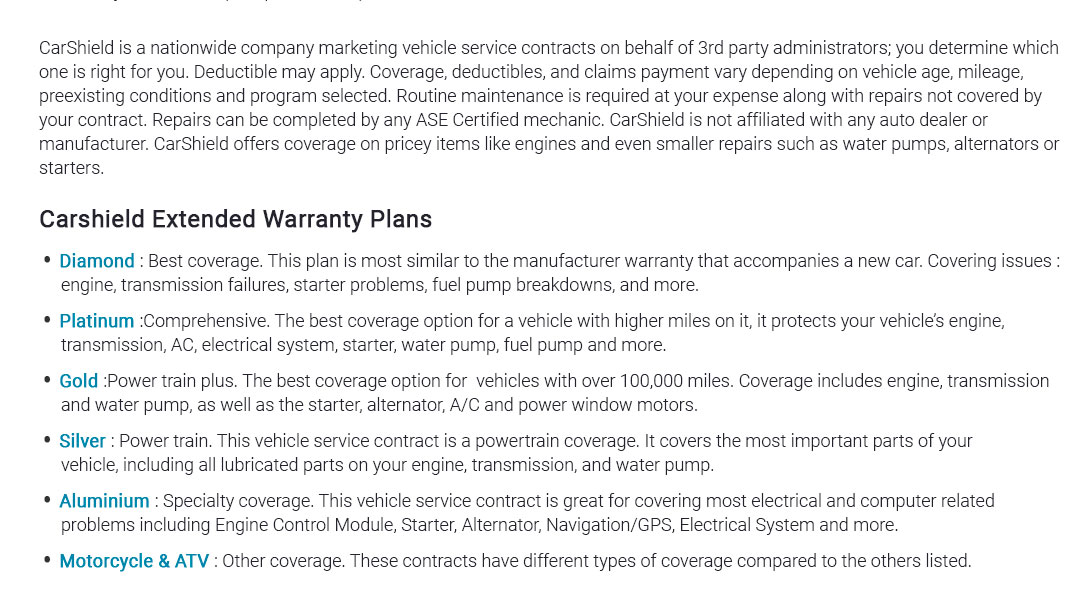
In California, a used-car "warranty" can mean several things: remaining factory coverage that transfers, a dealer's limited warranty, a separate service contract, and baseline consumer rights. Each has different rules, claim steps, and exclusions. Control comes from clarity: know who pays, for what, and how claims are approved.
A simple selection framework
- Match vehicle risk (age, miles, tech complexity) to your repair tolerance.
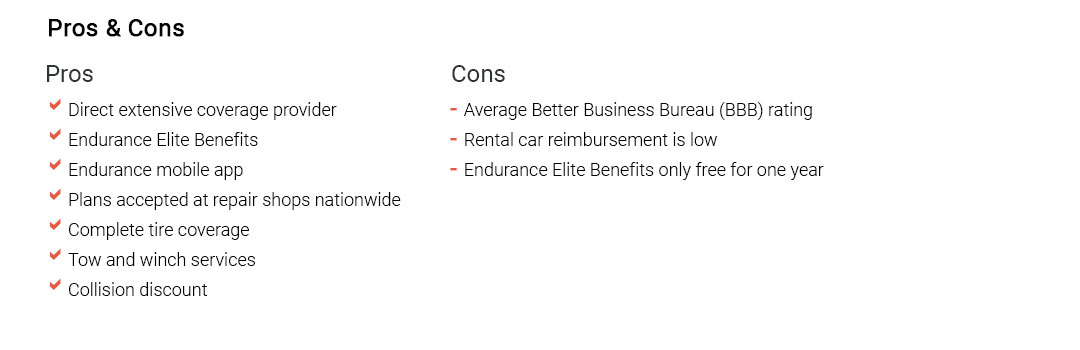
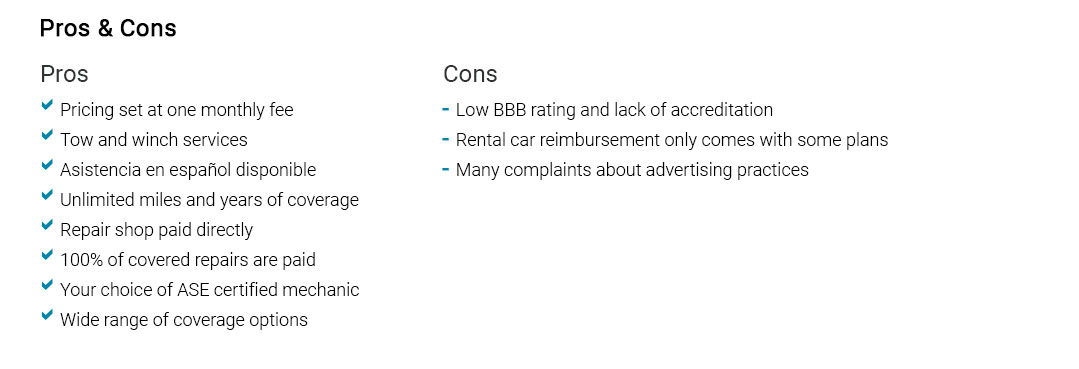
- Verify administrator, claim phone, shop choice, deductible, and labor rate caps.
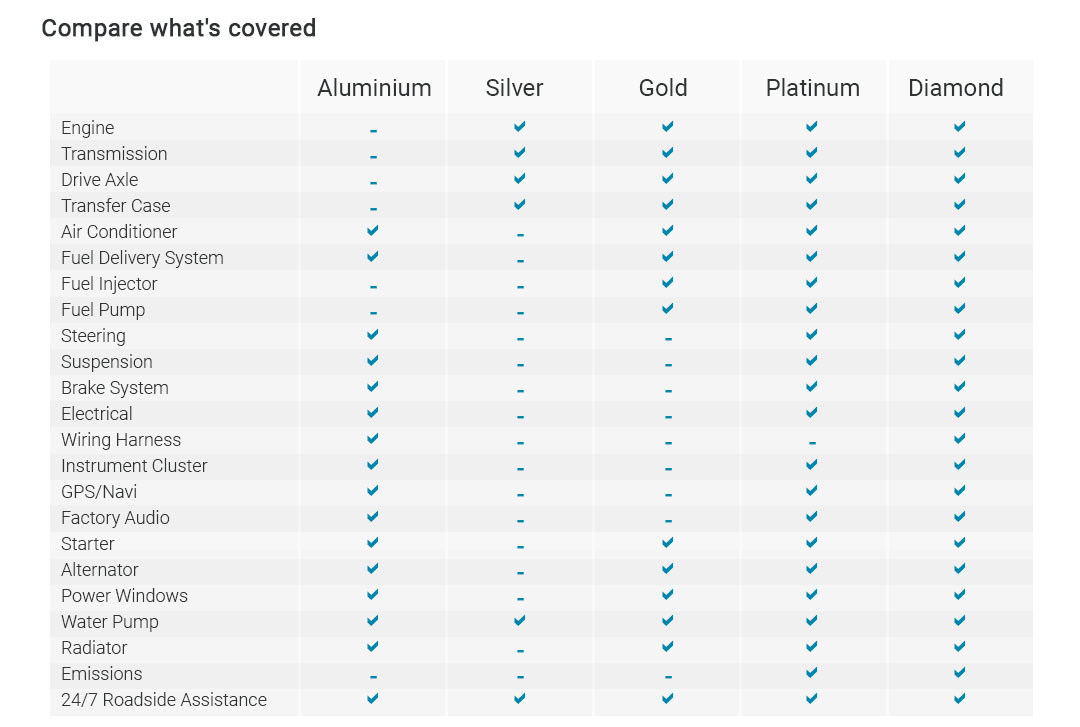
- Read exclusions: wear items, diagnostics, fluids, seals, and "pre-existing."
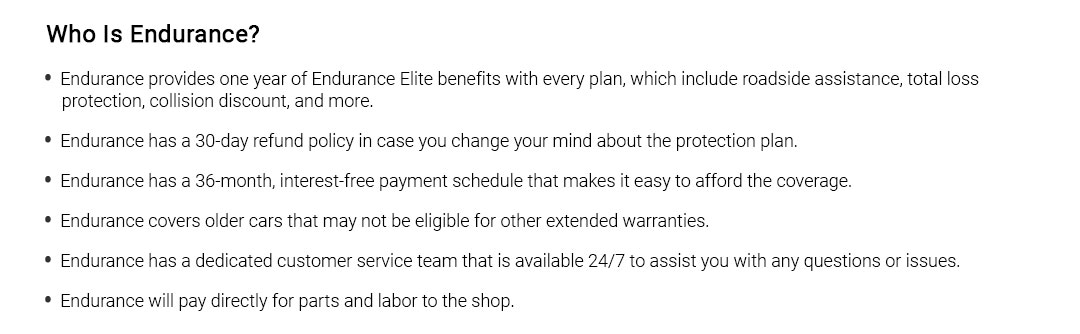
- Check transferability, cancellation refunds, and waiting periods.
- Confirm provider licensing in California and pre-authorization rules.
Subtle reframing: coverage isn't promises; it's the rules you can successfully use. In other words, you're buying a process, not vibes.
Real roads, real moment
Foggy Oakland morning, the MIL light pops on. I call the administrator before the shop touches the car, get pre-auth, and the dealer replaces an emissions component within 48 hours. I pay the deductible, not a surprise $1,100. That's the difference fit makes.
Red flags to pause on
- "Only lubricated parts."
- No coverage for diagnostics or taxes.
- Consequential damage exclusions that swallow coverage.
- Mandatory teardown at your cost if denied.
- Any promise not mirrored in the written contract.
Dealer purchases and private-party sales aren't twins; protections differ. Read the window sticker, the written warranty or service contract, and keep service records. If your budget favors minimal risk, rely on remaining factory coverage; if you'll keep the car longer, a well-scoped service contract may fit better.